Embedded Chips

What is Embedded Chips
 

Embedded chips are small computer chips or microprocessors that are programmed to perform specific tasks within electronic devices. They are designed to be integrated directly into the products they control, such as appliances, cars, and medical devices. These chips contain firmware or software that runs specific functions or operations, and they may include sensors and other components for gathering input. Embedded chips help to improve the efficiency and performance of devices, and they also provide greater connectivity and control.


Benefits of Embedded Chips

Low power operation

In addition, the most of the embedded process will require the minimum power system to operate. In fact, making them to the idea of having the medical applications. In fact, the comprehend the framework of abilities in the organization.

Small size

In fact, it is particular customizing the designing system which it is having the necessary components. Similarly, embedded notable smaller than a systematic computer system. In fact, it is a simple process for the massive production.

Reduced cost

Especially, the system consists of a minimum number of having the part when compare than the computer. On the other hand, the positive side, the embedded having highly reliable and this system is the minimum expensive and small size.


Portability

Similarly, the small size is also known as the portability. As a matter of fact, several numbers of the embedded system may run in battery with carrying everywhere. For example digital watch, calculator, etc. Particularly, it implements the quality if the product and optimize the system resources.


Why Choose US
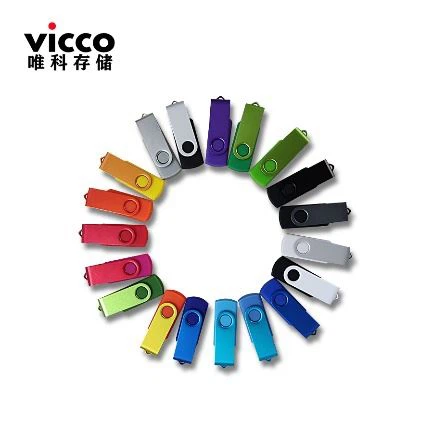
USB FLASH Drive With Zinc Alloy Case in Bulk Package

Innovation

We are dedicated to improving our systems continually, ensuring that the technology we offer is always cutting edge.

3in1 USB FLASH DRIVE

Advanced equipment

Equipment based on the latest technological developments has higher efficiency, better performance and stronger reliability.

USB FLASH Drive With Zinc Alloy Case in Bulk Package

Professional team

Our professional team collaborate and communicate effectively with one another, and are committed to delivering high-quality results. They are capable of handling complex challenges and projects that require their specialized expertise and experience.

USB FLASH Drive With Zinc Alloy Case in Bulk Package

One stop solution

From the begining inquiry and throughout the entire process until you receive the goods. we are dedicated to supporting you every step of the way.


Types of Embedded Chips
 

Memory chips

The most common types of memory chips are ROM, PROM, EPROM, EEPROM, and Flash memory. They are used in a variety of electronic devices, such as computers, smartphones, and gaming consoles.


Sensor chips
Sensor chips are devices that detect various physical parameters like temperature, pressure, humidity, or light. They are used in a variety of applications, including smart homes, automotive systems, and industrial automation.


Digital signal processor (DSP)
Digital signal processors (DSPs) are specialized microprocessors that are designed to process digital signals. They are used in a wide range of applications, including audio and video processing, telecommunications, and control systems.


Single purpose embedded processor
Single-purpose embedded processors, also known as application-specific embedded processors, are microprocessors that are designed to perform a specific task or set of tasks. They are used in a wide range of applications, including automotive systems, industrial control systems, and consumer electronics.


Components of Embedded Chips
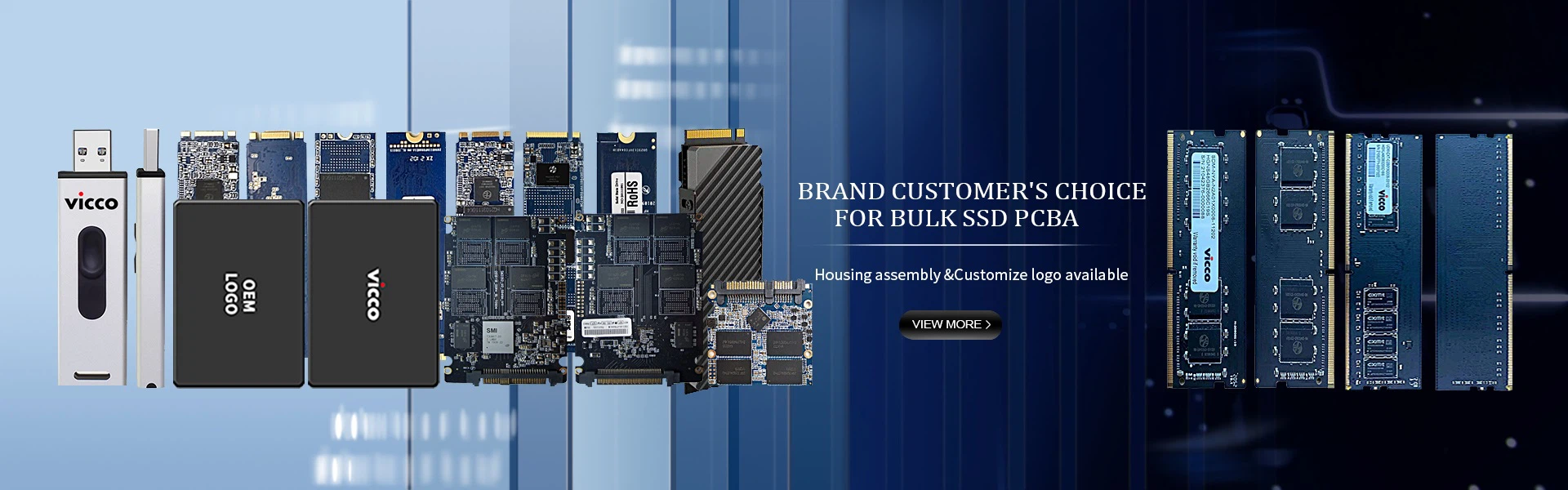
Ssd No Case
Usb Flash Drives
USB FLASH DRIVE TYPE C
Usb Flash Chip

Power supply
The power supply component is an electrical unit responsible for powering up the electrical load of the embedded system. To ensure seamless system operations, a smooth and efficient power supply is a must. Some embedded systems use an independent power supply, while others leverage the same source as the larger technology being powered.
Microcontroller and microprocessor
Embedded systems come in two key variants: microcontroller-powered and microprocessor-powered. A form of integrated circuits, these components give the system its computing power. In simple terms, the microcontroller or microprocessor serves as the brain of the embedded system and drives its performance.
Memory
The memory component is essential for storing critical data in embedded systems. This component is generally integrated into the microprocessor or microcontroller. The two types of memory are RAM and ROM.It is non-volatile, storing system information even when the power supply is turned off.
Timer and counter
Timers are used in applications requiring the creation of a delay before the execution of a specific function by the embedded system. On the other hand, counters are used in applications where the number of times a specific event takes place needs to be tracked. Counters are integrated into the system using register-type circuits.
Input output
Input components allow other components within the larger interconnected infrastructure to interact with the embedded system. For instance, a sensor helps provide inputs for the system to process. Once processing is complete (for instance, counting), the results are communicated to the required destination via the output component.
Communication interface
Communication interfaces enable embedded systems to establish communications with each other and other components within the larger system.For simple applications, communication ports within the microcontroller are utilized, and ports can be externally installed in case of advanced applications.
Electrical circuit
Depending on the application, embedded systems can contain customized electrical circuits. Some of the basic components used in electrical circuits of embedded systems are:The PCB is a crucial component within the electrical circuit of embedded systems. It is a mechanical circuit board that uses conductive copper traces to link other components electronically.


How Embedded Chips Work

Embedded chips consist of a microcontroller or microprocessor, which contains a central processing unit (CPU), memory, and input/output ports. The CPU is responsible for executing instructions and managing data within the chip. The memory is used to store data and program instructions.When an embedded chip receives input from sensors, switches, or other external devices, it processes the information using its CPU and sends an output to the external device through the input/output ports. This process is repeated continuously, allowing the chip to perform its designated tasks.They provide reliable and efficient automation, enabling these devices to operate seamlessly without human intervention.

productcate-692-543


productcate-681-529
 
Application of Embedded Chips
 

Consumer electronics
Embedded processors are used for multiple types of consumer electronics, such as smartphones, tablets, laptops and other portable devices.
Industrial control system
Embedded processors are used to control and monitor industrial equipment, such as robots, conveyor belts and other manufacturing systems.
Car system
Embedded processors are used in automotive systems, such as engine control, traction control and senior driver assistance system (ADAS).

Medical equipment

Embedded processors are used for medical equipment, such as monitoring equipment, imaging equipment and drug conveying systems.

Military system

Embedded processors are used for military systems, such as missiles, aircraft and other defense systems.

Communication systems

The embedded processor is used for communication systems, such as routers, switches and other network devices.

Family automation system

Embedded processors are used for home automation systems, such as smart thermostats, safety systems and lighting control systems.


How to maintain Embedded Chips


Keep them clean

Dust and debris can hinder the functioning of the chips and cause them to overheat. Regular cleaning with compressed air or a soft brush can prevent this.

Monitor temperature

Embedded chips can overheat which can cause permanent damage. Ensure that the temperature of the system stays within the manufacturer's recommended range by monitoring it regularly.

Replace any damaged components

Any damaged components should be replaced immediately to ensure that the system operates smoothly.

Update firmware and software

Regular updates to the firmware and software can prevent security risks and improve system performance.

Use reputable components

Using reputable components can reduce the chances of malfunctioning or damaged chips.

Test the system periodically

Testing the system periodically can help identify any potential problems before they cause damage to the chips.


Certification


productcate-311-437
productcate-311-439
productcate-311-439


FQA
 

Q: What is an example of an embedded processor?

A: They are also designed to be reliable and to operate for long periods of time without failure. Some examples of devices that use embedded processors include smartphones, TVs, washing machines, and aircraft systems.

Q: What is considered an embedded device?

A: An embedded system describes a microprocessor-controlled computer hardware system that runs dedicated software to perform a specific task. An embedded device is the hardware on which this software is running. Embedded devices are also referred to as dedicated or single-purpose devices.

Q: What is the difference between embedded and non embedded processors?

A: An embedded device is a computer that's embedded into an end product. It might require an OS if the computer's functionality is complex, but not necessarily. A non-embedded device is a computer that works on its own, and is the end product itself.

Q: What is the difference between embedded processor and processor?

A: Embedded Processor is a microprocessor designed especially for handling the needs of an embedded system. They require less power, so these processors are very small and draw less power from the source. General Processor are the processors that power desktop computers and are the center of the computer revolution.

Q: Is USB an embedded system?

A: USB is the fastest growing interface/bus standard in the embedded industry. Its popularity seems driven by the low cost of hardware and the value of its plug and play features.

Q: What is the purpose of embedded devices?

A: The purpose of embedded systems is to control a specific function within a device. They are usually designed to only perform this function repeatedly, but more developed embedded systems can control entire operating systems.

Q: What is the difference between embedded system and chip?

A: By embedded system You can describe a piece of hardware. System on Chip is basically an Embedded System but fully integrated on one Chip. SoC can contain both digital and analog circuits and sometimes even allow for connection configuration between the system elements like in Cypress PSoC chips for example.

Q: Do embedded devices have storage?

A: A type of non-volatile storage that is used in most embedded devices today. The non-rotating media is safer from physical impacts, but has a limited lifetime. Two commonly used types of non-volatile flash memory are NAND and NOR.

Q: What are the advantages of embedded system?

A: Embedded systems offer several advantages, such as increased reliability due to their dedicated function, lower power consumption, compact size, and the ability to perform real-time operations, making them suitable for time-sensitive applications.

Q: What are the advantages of embedded systems in automobiles?

A: Embedded systems play a crucial role in the automotive industry as they are responsible for the seamless integration of hardware and software in vehicles. These systems are designed to perform specific tasks and functions within a larger system, providing enhanced functionality and performance to automobiles.

Q: What is an embedded chip?

A: An embedded chip, often referred to as an embedded system, is a specialized computer system that is designed to perform specific tasks and functions within a larger system or product.

Q: Where are embedded chips used?

A: Embedded chips are used in a wide range of applications, including consumer electronics, automotive systems, industrial automation, medical devices, and aerospace and defense systems.

Q: What are the benefits of embedded chips?

A: Embedded chips offer several benefits, including improved efficiency, reliability, and performance. They can also be customized to meet specific needs and requirements, and are often more cost-effective than traditional computer systems.

Q: What are some common examples of embedded chips?

A: Common examples of embedded chips include microcontrollers, sensors, actuators, and communication modules.

Q: How do embedded chips communicate with other systems?

A: Embedded chips can communicate with other systems using various protocols and interfaces, such as serial communication (UART, SPI, I2C), Ethernet, USB, Bluetooth, and Wi-Fi.

Q: Can embedded chips be programmed or reprogrammed?

A: Yes, embedded chips can be programmed or reprogrammed using specialized software tools and programming languages, such as C, C++, and Assembly.

Q: What is firmware?

A: Firmware is a type of software that is installed on an embedded chip or device and is responsible for controlling its functionality and behavior. Firmware is typically stored in non-volatile memory, such as flash memory or ROM.

Q: What is the difference between embedded chips and microprocessors?

A: Embedded chips are a type of microprocessor that is designed specifically for embedded systems. They are typically smaller and lower powered than general purpose microprocessors.

Q: How long do embedded chips last?

A: The lifespan of an embedded chip depends on factors such as the quality of the chip, the environmental conditions it operates in, and how often it is used. However, most embedded chips are designed to last for many years.

Q: Are embedded chips secure?

A: Embedded chips can be secure if they are designed with security features and protocols in place. However, like any technology, embedded chips can be vulnerable to hacking and other security threats if they are not properly secured.

We're well-known as one of the leading embedded chips enterprises in China, specialized in providing high quality OEM service. Please rest assured to wholesale bulk high-grade embedded chips at competitive price from our factory.

256 usb, sd to m2 adapter, 32 gb flash drive

(0/10)

clearall